
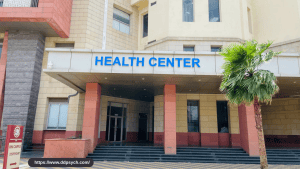
 Recovery from addiction is not a single event. While inpatient rehab programs can provide critical initial support, lasting change requires ongoing care, guidance, and community support. Community health centers play a vital role in bridging the gap between short-term treatment and sustained recovery. By offering accessible, holistic, and individualized services, these centers empower individuals to rebuild their lives and maintain sobriety for the long term.
At DD Psych, we recognize the importance of continuity of care and the value of community-based support in helping individuals navigate the complex journey of recovery.
The Limitations of Traditional Rehab Programs
Rehab programs are often intensive and structured, providing essential detox, therapy, and early recovery support. However, once a patient leaves a rehab facility, they may face challenges in applying what they have learned to everyday life. Without continued support, many individuals struggle with triggers, stress, or relapse.
Community health centers address these limitations by providing ongoing outpatient care, counseling, and support services that extend beyond the walls of rehab facilities. This approach ensures that recovery does not end when formal treatment concludes.
How Community Health Centers Support Long-Term Recovery
Integrated Medical and Mental Health Care
Addiction often coexists with mental health conditions such as depression, anxiety, or trauma. Community health centers offer integrated care, treating both substance use and mental health simultaneously. This dual focus reduces the risk of relapse and promotes overall wellness. At DD Psych, we provide individualized therapy, counseling, and medication-assisted treatment (MAT) when appropriate, creating a comprehensive approach tailored to each patient’s needs.
Flexible Inpatient and Outpatient Programs
Recovery requires different levels of care at different stages. Community health centers provide inpatient programs for individuals needing intensive support and outpatient programs for those transitioning back into daily life. Outpatient care allows patients to continue work, education, or family responsibilities while receiving structured support, making it easier to integrate recovery into their everyday lives.
Holistic and Faith-Based Approaches
Sustaining long-term recovery goes beyond addressing physical dependence. Holistic therapies, including mindfulness, stress management, nutrition guidance, and physical wellness programs, strengthen emotional and spiritual resilience. Faith-based support is also available for individuals seeking spiritual guidance as part of their recovery. These approaches create a balanced, whole-person model that supports lasting change.
Building a Supportive Recovery Network
Community health centers foster peer support, family involvement, and community engagement, providing a safety net that reinforces sobriety. Peer recovery specialists offer mentorship and guidance based on lived experience, helping individuals navigate the challenges of daily life while maintaining their recovery goals. This network of support is essential for reducing isolation and promoting long-term success.
Taking the Next Step
If you or a loved one is transitioning out of rehab or struggling to maintain sobriety, community health centers provide the accessible, compassionate, and comprehensive care needed to sustain recovery. At DD Psych, we are committed to walking alongside you through every stage of this journey, offering personalized services that address the mind, body, and spirit.
Reach out today to learn how our community-based programs can support your long-term recovery. With the right care and guidance, lasting change is possible, and a healthier, more fulfilling life is within reach.