
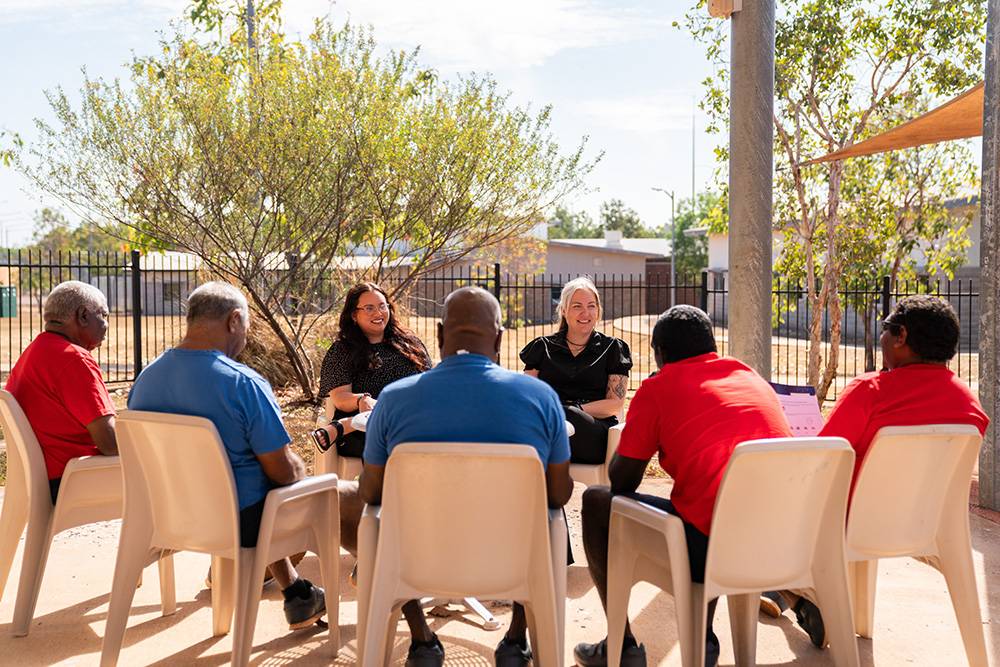
 Recovery from addiction and mental health challenges is a deeply personal journey. Every individual has a different history, different struggles, and different goals for the future. Because of this, effective treatment cannot rely on a one-size-fits-all approach. Community health centres are changing recovery outcomes by focusing on personalized care that recognizes the unique needs of each person.
By combining addiction recovery services, mental health treatment, inpatient and outpatient care, and holistic support, community health centres provide a complete approach to healing. This individualized model helps people build the skills, confidence, and stability needed for lasting recovery.
Why Personalized Care Matters in Addiction Recovery
Addiction affects every part of a person’s life. It can impact relationships, emotional health, physical wellbeing, and daily responsibilities. While treatment is essential, recovery becomes stronger when care addresses the individual behind the addiction.
Personalized care focuses on understanding the full picture, including:
- Personal experiences and challenges
- Mental health needs
- Substance use history
- Recovery goals
- Available support systems
This approach allows treatment professionals to create plans that are more meaningful and effective.
Moving Beyond Standard Treatment Approaches
Traditional approaches often focus on managing symptoms. While this can be helpful, lasting recovery requires a deeper understanding of the factors contributing to addiction and mental health struggles.
Community health centres focus on treating the whole person. This means addressing emotional, psychological, physical, and social factors that influence recovery.
Individualized Treatment Plans
A personalized treatment plan may include a combination of:
- Individual therapy
- Group counseling
- Mental health support
- Addiction recovery services
- Wellness strategies
- Relapse prevention planning
By adjusting care based on progress and changing needs, individuals receive support that evolves with their recovery journey.
How Community Health Centres Improve Recovery Outcomes
Personalized care improves recovery because it creates a stronger connection between individuals and their treatment. When people feel understood and supported, they are more likely to remain engaged and committed.
Increased Engagement in Treatment
People are more likely to participate actively when their treatment reflects their personal experiences and goals. A customized approach helps individuals see recovery as something designed for them rather than something they must simply follow.
Better Support for Co-Occurring Conditions
Many people experiencing addiction also face mental health challenges such as anxiety, depression, trauma, or stress. Community health centres address these conditions together through integrated mental health and addiction care.
Treating both areas at the same time helps reduce barriers to recovery and supports better long-term stability.
The Role of Inpatient and Outpatient Care
Personalized care also means offering different levels of support based on individual needs.
Inpatient Programs for Intensive Recovery
Inpatient treatment provides a structured environment for individuals who need a higher level of care. These programs may include:
- 24-hour supervision
- Medical and emotional support
- Therapy sessions
- A safe space for stabilization
This setting allows individuals to focus fully on recovery without the pressures and triggers of everyday life.
Outpatient Programs for Continued Growth
Outpatient programs provide ongoing support while allowing individuals to continue their daily responsibilities. This approach may include:
- Regular counseling appointments
- Group therapy
- Mental health services
- Recovery planning
Outpatient care helps individuals practice new skills in real-life situations while staying connected to professional support.
Holistic Healing and Whole-Person Wellness
Recovery involves more than stopping unhealthy behaviors. It involves creating a healthier and more balanced life. Many community health centres incorporate holistic and faith-based approaches to support complete wellness.
These approaches may include:
- Mindfulness and stress management
- Physical wellness support
- Healthy lifestyle education
- Spiritual guidance and faith-based counseling
Holistic care helps individuals develop resilience, strengthen coping skills, and reconnect with their personal values.
Building Stronger Connections Through Community Support
Connection is one of the most important parts of recovery. Addiction and mental health challenges can often leave individuals feeling isolated, but community health centres create opportunities for meaningful support.
Peer Support
Group programs allow individuals to connect with others who understand their experiences. Sharing challenges, progress, and strategies can create motivation and encouragement throughout recovery.
Family Support
Family involvement can also play an important role. Counseling and education help loved ones better understand addiction and mental health challenges while learning how to provide healthy support.
Why Personalized Care Creates Lasting Change
The power of personalized care comes from its ability to meet people where they are. Recovery is not about fitting everyone into the same process. It is about creating a supportive environment where each individual can heal in a way that works for them.
Community health centres are improving recovery outcomes by combining professional treatment with compassion, flexibility, and individualized attention.
Taking the Next Step Toward Recovery
If you or someone you care about is struggling with addiction or mental health challenges, reaching out for support can be the beginning of meaningful change. A community health centre provides the guidance, resources, and personalized care needed to move forward.
Recovery is a journey built on understanding, support, and consistent progress. With the right care approach, lasting wellness is possible.