
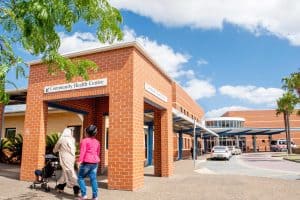
 Recovery is not a destination that can be reached overnight. It is an ongoing journey of healing, growth, and learning to build a healthier life. Whether someone is living with addiction, anxiety, depression, trauma, or another mental health condition, the right support system can make all the difference. A community health centre provides more than clinical treatment. It offers compassionate, personalized care that empowers individuals to overcome challenges and achieve lifelong wellness.
By bringing together addiction recovery services, mental health treatment, inpatient and outpatient care, holistic therapies, and individualized treatment planning, community health centres help people move beyond immediate crises and develop the skills, confidence, and resilience needed for lasting recovery. Every step is guided by experienced professionals who understand that successful healing begins by treating the whole person.
Why Personalized Care Is Essential for Recovery
No two individuals experience addiction or mental health challenges in exactly the same way. Personal history, family dynamics, physical health, trauma, and life experiences all influence the recovery process. Because of this, treatment should never follow a one size fits all approach.
Community health centres focus on understanding each person’s unique circumstances before recommending treatment. This individualized approach allows care providers to identify underlying issues, set meaningful recovery goals, and develop strategies that reflect each person’s strengths and needs.
When treatment feels personal and relevant, individuals are often more engaged in their recovery and better prepared to maintain long-term progress.
Comprehensive Assessments Build the Right Treatment Plan
Recovery begins with gaining a complete understanding of the individual seeking help. Comprehensive assessments allow clinicians to evaluate multiple areas of wellbeing before creating a personalized care plan.
Looking Beyond the Symptoms
An initial assessment may include:
- Mental health history
- Substance use patterns
- Medical concerns
- Family relationships
- Employment or educational responsibilities
- Personal recovery goals
- Lifestyle and environmental influences
This information helps create a treatment plan that evolves alongside each person’s progress, ensuring care remains responsive throughout every stage of recovery.
Integrated Mental Health and Addiction Treatment
Mental health disorders and addiction frequently occur together. Anxiety, depression, post traumatic stress, and chronic stress often contribute to substance use, while addiction can intensify emotional and psychological difficulties.
Treating these conditions together provides a stronger path toward lasting wellness.
Coordinated Care Creates Better Outcomes
Integrated treatment may include:
- Individual psychotherapy
- Cognitive behavioral therapy
- Trauma-informed counseling
- Psychiatric evaluations
- Medication management when clinically appropriate
- Ongoing progress monitoring
By addressing both mental health and addiction simultaneously, individuals gain healthier coping skills while reducing the likelihood of relapse.
Inpatient and Outpatient Programs That Support Every Stage of Recovery
Recovery needs often change over time. Community health centres offer different levels of care so individuals receive the support that best matches their circumstances.
Inpatient Care for Intensive Healing
Inpatient treatment provides a structured setting where individuals can fully focus on recovery without outside distractions.
Benefits often include:
- Twenty four hour professional supervision
- Medical stabilization when necessary
- Individual counseling
- Group therapy
- Recovery education
- Relapse prevention planning
This environment promotes safety, stability, and early progress.
Outpatient Care for Continued Independence
As recovery advances, outpatient treatment provides ongoing professional guidance while allowing individuals to maintain work, school, and family responsibilities.
Outpatient services commonly include:
- Individual counseling
- Group therapy
- Family therapy
- Medication management
- Continued recovery planning
This flexibility helps individuals practice healthy coping skills while receiving consistent support.
Holistic Healing Strengthens Lifelong Wellness
Long-term recovery involves much more than stopping substance use. It also requires developing healthier habits that support emotional, physical, and spiritual wellbeing.
Caring for the Whole Person
Many community health centres incorporate holistic and faith-based services that complement evidence based clinical care. These may include:
- Mindfulness and meditation
- Stress management techniques
- Nutrition and healthy lifestyle education
- Physical wellness activities
- Faith-based counseling for those seeking spiritual guidance
These complementary services encourage balance while helping individuals build resilience that extends beyond treatment.
Family and Community Are Powerful Sources of Healing
Recovery becomes stronger when individuals feel supported by the people around them. Community health centres recognize that healing often involves families, friends, and peers working together.
Peer Support Builds Encouragement
Group therapy creates opportunities to connect with others who understand the recovery journey. These relationships reduce feelings of isolation while promoting accountability, hope, and shared growth.
Family Counseling Strengthens Relationships
Addiction and mental health conditions affect entire families. Family counseling helps improve communication, rebuild trust, and teach loved ones how to support recovery in healthy and constructive ways.
These stronger relationships become valuable sources of stability throughout lifelong wellness.
Recovery Continues Long After Treatment Ends
Completing a treatment program is only one milestone in the recovery journey. Continued care plays an important role in maintaining progress and preventing relapse.
Community health centres often provide ongoing counseling, support groups, wellness education, relapse prevention planning, and follow-up services that help individuals navigate future challenges with confidence.
This commitment to long-term support reinforces healthy habits while encouraging continued personal growth.
Your Community Health Centre Is a Partner for Life
Recovery is not about facing challenges alone. It is about building a future with the support of compassionate professionals who believe in your ability to heal and thrive. A community health centre serves as a trusted partner by providing personalized addiction recovery services, integrated mental health treatment, holistic care, and continuous guidance throughout every stage of wellness.
If you or someone you love is struggling with addiction or mental health concerns, there is hope. Reaching out for professional support is the first step toward lasting change. With individualized care, evidence based treatment, and a dedicated team focused on your success, lifelong wellness is possible. Your recovery journey can begin today, and every step forward brings you closer to a healthier, stronger, and more fulfilling life.